Guidance for mindful cultural interactions while traveling
The Indiana University Alumni Association (IUAA) and IU Travels wish to provide an inclusive, enriching, and educational travel experience to all our travelers as well as the people with whom we encounter while traveling. This guide will help you develop your cultural competence and engage more mindful cultural interactions while on your IU Travels tour. Honing one’s cultural competence will also help foster a safe, inclusive environment on your journey.
Never hesitate to go far away, beyond all seas, all frontiers, all countries, all beliefs.
Amin Maaloufauthor
5 phases of travel
This guide is based on a widely accepted theory of travel planning that you likely consciously or unconsciously follow as you explore your next travel opportunity. The theory divides the travel process into five distinct phases.
- Dreaming and inspiration: This phase is often fueled by stories, information, and media sources that showcase the potential of a destination, motivating you to engage in discovery.
- Research and planning: You begin to engage with information regarding a destination and answer questions such as, “What are the must-experience attractions?” You compare travel providers and destinations and read testimonials and reviews.
- Decision-making and booking: You choose the destination, travel providers, and airlines and deposit money. Read more about this process in the Mindful Preparation for Travel section.
- Experiencing and enjoying: Your travels begin! You experience and enjoy all the hard work you put into the first three phases. The Mindful Traveling section will assist you in this phase.
- Sharing and reflecting: Once you return you will reflect upon your experiences, often sharing them with family and friends. The Post-Travel Mindfulness section will aid you with this important final phase.
Travel is not really about leaving our homes but leaving our habits.
Pico Iyerauthor
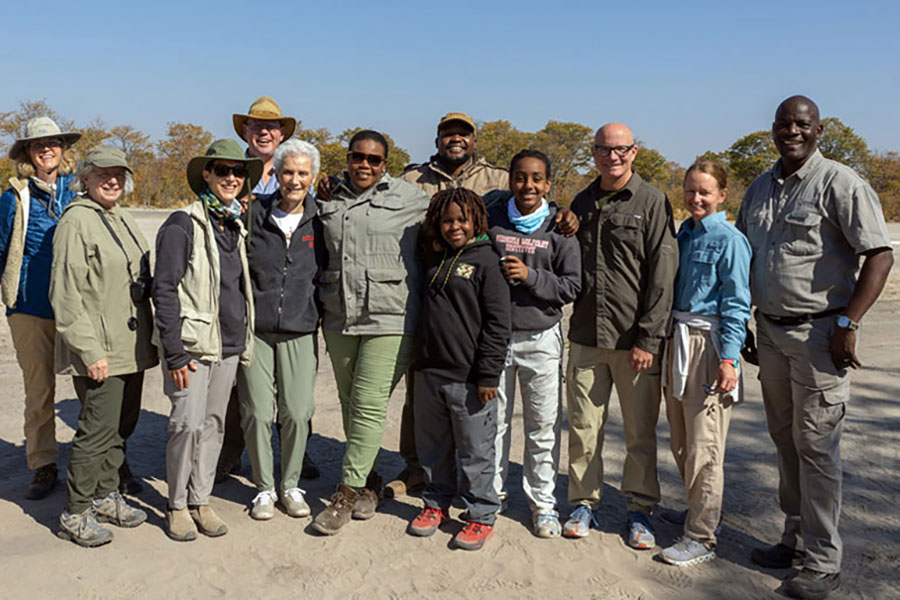
Mindful preparation for travel
Before you grab your passport, plan your wardrobe, and pack your bags, review this helpful guidance to aid in your mindful travel preparation.
Increase your critical consciousness
Critical consciousness is a theory developed by Brazilian educator Paulo Freire that focuses on achieving in-depth knowledge of social, political, and economic structures in society to solve real-world problems. When traveling, this concept can be viewed through the lens of cultural humility, where the globally minded traveler steps beyond the awareness of their personal assumptions, values, and biases, opening oneself to difference and discovery. The traveler examines their own background and social context to understand how it shapes their experiences when interacting with other cultures. Cultural humility is the acknowledgement that we lack full knowledge and understanding of others’ lived experiences and therefore should approach these interactions in a curious, humble fashion.
Tips to increase your critical consciousness
Self-awareness and reflection
Take some time to reflect on your own identity. Identity informs your understanding and influences your experiences of complex social problems, especially within the destinations and cultures you will be visiting. Your identity is a complex mix of your traits, characteristics, race, gender identity, beliefs, friends, romantic partners, family, and social groups, to name just a few. As you think about what comprises your identity consider how it will factor into the culture, politics, religion, and economics of the regions you will visit. Think about how individuals in these cultures view themselves and how they might view you.
Recognize biases
Biases are defined as the attitudes, beliefs, or stereotypes that affect our understanding, actions, and decisions unconsciously. Take personal inventory of biases you might have about the destinations and cultures you will be visiting, such as race, ethnicity, age, gender, LGBTQ+, and ability biases. Social bias and stereotypes are some of the most common biases in tourism, which are attributed to prejudicial attitudes toward certain groups or races found in a destination. For example, a sizable portion of the population of a country you are visiting may practice a religion that is different from your own beliefs. In parts of Africa, animism plays a role in the spiritual connection to living things and ancestry. Voodoo is often a name associated with these spiritual rituals and practices in some African cultures. Thanks to misleading Hollywood depictions, Voodoo often quickly raises biases of evil in our unconscious, something that is a gross misrepresentation of the positive role it plays in the cultures that practice.
Understand power and privilege
Privilege is an advantage one receives from perceived membership to dominant social groups (e.g., white, male, heterosexual, middle class, etc.) and often comes at the expense of others. Power is the ability to influence and make decisions that impact and potentially marginalize other groups. Anu Taranath, PhD, provides perspective on the complexity of power, and how it can vary from person to person, culture to culture.
“We have lots of different identities that play out at once,” says Taranath. “I have more wealth than many others. I have more stability, opportunity, mobility, safety, and choice. My U.S. passport gives me privilege. But my small, brown, woman of color status—not in my eyes, but in the eyes of others—gives me less privilege.”
When researching your destination, observe what these differences in power and privilege might be and reflect upon them.
Learn historical context
When preparing for your trip learn about the history of your destination and how things such as war, famine, economic collapse, and colonialization have shaped its present context. How might you and your potential differences be perceived in this space? For example, some differences may come in the forms of advantages you have that people in the destination do not. Be aware of and acknowledge those advantages.
Understand the present
Exploring the present day provides us with context and insight into local cultures. Politics, religion, economics, resource availability, and conflict all play a role in shaping the lives and values of people within a destination. Be mindful that present day issues may not be monolithic throughout a country. There may be regional differences in cultures that are based on and influenced by the previously mentioned factors.
Voyager, there are no bridges, one builds them as one walks.
Gloria Anzalduaauthor
Mindful traveling
You have arrived! You are now in the destination you always dreamed of visiting. It’s time to interact with people and places that might be culturally different than your own.
Engage in mindful cultural interactions
Interactions will often reveal needs, expose fears, and identify preconceived beliefs or understandings. Spend time creating an atmosphere of understanding through patient and thoughtful listening that considers the elements of mercy and truth.

Tips for mindful cultural interactions
Notice and acknowledge difference
When traveling, the culture, customs, and laws of the places you visit can differ in ways that may conflict with your personal beliefs. For example, wearing appropriate clothing, or wearing a head cover, might be objectionable to you. In these instances, you have the option to comply or opt out of that situation. However, refusals and disagreements to honor local customs might be found offensive to your hosts and in certain circumstances even result in legal repercussions for you. Additionally, you might be visiting a place where you are in a position of disadvantage in power, privilege, economics, race, etc. Be prepared to acknowledge and understand these types of situations.
Listen
Your tour manager and/or tour guides often lived or were raised in the place you are visiting. They will help you foster conversations, interactions, and aid in your reflections.
Stay engaged
Be present when interacting through active listening and thoughtful questioning. Slow down and take a cleansing deep breath in moments of guilt and discomfort. Be curious and humble.
Be authentic
Share your honest feelings and allow space for others to do the same.
Experience discomfort
Acknowledge that cultural interactions and conversations might cause you to feel uncomfortable, and welcome this discomfort as you engage in learning new information and embracing new experiences.
Expect and accept non-closure
You may not reach a point in your interactions where you have agreement with another person on matters such as cultural customs.
Additional tips while traveling
Local news
Consider consuming the local/regional news of the area while you are visiting to gain insights into local culture and observable differences. Your accommodations may provide access to English spoken or subtitled regional televised news as well as regional English language newspapers.
Journaling
As you travel, you are often exposed to a huge amount of information and confront a wide range of emotions. Consider keeping a journal to help process and record all that you experience during your trip. Jotting down thoughts as you travel or spending a few minutes each evening recording the day’s events might be beneficial. You likely possess a wonderful tool to assist in this endeavor: your cell phone. Often phones are equipped with a notepad function, voice recorder, camera, and video recorder. Any or all of these features can be useful to record important moments as you travel.
A person susceptible to ‘wanderlust’ is not so much addicted to movement as committed to transformation.
Pico Iyerauthor
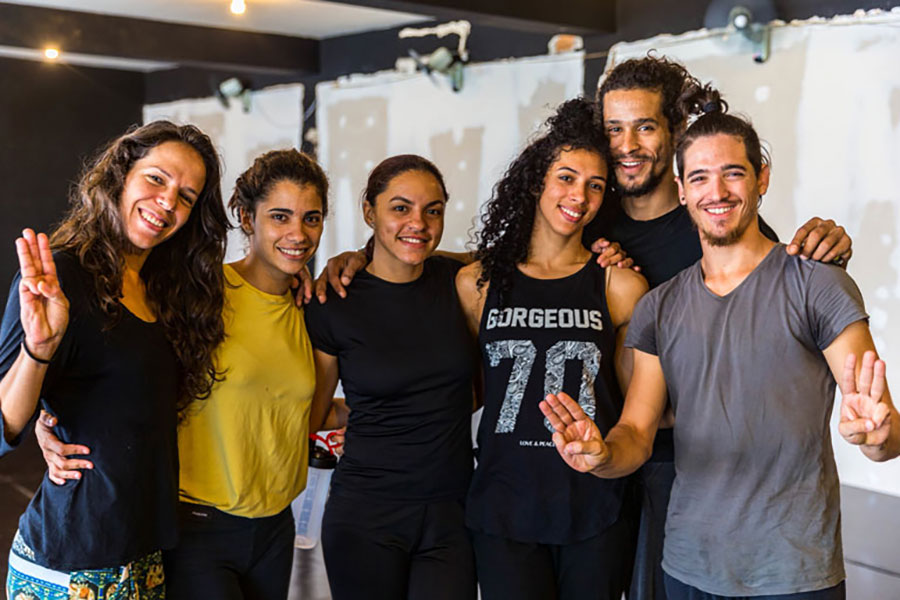
Post-travel mindfulness
You’ve returned home, your bags are unpacked, your laundry is done, and your head is spinning with wonderful memories of your travels. Here are some tips to help you process and share your experiences.
Embrace global citizenship
In her book Beyond Guilt Trips: Mindful Travel in an Unequal World, Anu Taranath, PhD, shares how travelers leave their comfort zones to fully engage in a multicultural world while traveling yet return home and do not incorporate what they learned abroad into their daily lives. Therefore, it is important to take time to mentally unpack and process all that you encountered and absorbed during your travels. Through reflection and sharing we allow ourselves to:
- Rethink who we interact with at home,
- Integrate new knowledge and skills, and
- Follow through on the concept of global citizenship, viewing every person as a citizen of the world, not simply their local context.

Tips for embracing global citizenship
Take time to reflect
Review notes, recordings (video and audio), and photos, and examine and contextualize your experiences using the tools and resources you explored in pre-trip preparations.
Maintain relationships
Continue conversations and communication with your fellow travelers and contacts made during your travels as this may aid in your reflections.
Share your experiences
Upon your return, share stories, pictures, videos, and experiences via social interactions and/or social media. By sharing new knowledge and experiences you provide greater access to and understanding of places and cultures many may never visit. This potentially helps others become mindful global citizens, like you, in their own communities.
Commit to lessons learned
Now that you have arrived home with new knowledge and understanding of other cultures, consider ways to use your learnings to support more safe and inclusive interactions and environments at home and in future travel.
Conclusion
Travel can be transformative, exposing us to enriching, inspirational, wonderous, and educational experiences. It can help provide perspective on our daily lives as well as how we see and interact with others. Hopefully, this guidance will help you, a mindful global citizen, to get the most out of your upcoming IU Travels tour.
Thank you for trusting IU Travels and our travel partners with your travel needs. As always, we are here to help you. Simply call (812) 855-6843 or learn more about IU Travels opportunities online, where you can browse tours available now.
Resources
There are many travel resources at your local library, college/university, and bookstores through their collections of books, periodicals, digital media, and video and audio offerings. Here are a few recommendations:
- Taranath, A, (2019). Beyond Guilt Trips: Mindful Travel in an Unequal World. Between the Lines.
- Pico Iyer (2023) The Half Known Life: In Search of Paradise. Riverhead Books.
- Meyer E, (2014) The Culture Map: Decoding How People Think, Lead, And Get Things Done Across Cultures. Public Affairs.
Use the internet with an educated, mindful, and discerning eye when considering the sources you consume. Here are suggestions to add to your own listed of trusted sources.
- Aljazeera World News
- The Associated Press World News
- BBC World News
- Heller, C. Understanding and Navigating Privilege While Traveling. Verge Magazine, 21 (1).
- How to Identify and Overcome Your Implicit Bias
- National Center for Cultural Competence
- National Public Radio World News
- Ngo J. Tackling Uncomfortable Conversations Abroad. Verge Magazine, 21 (1).
- Reuters World News
- United Nations Global Code of Ethics for Tourism
- U.S. Department of State
- U.S. Travel Association
- Verge Magazine
Consider exploring course offerings and cultural centers at local colleges and universities. Many communities have local cultural groups and/or cultural festivals. You can also turn to IU Travels and our trusted travel partners.
Key definitions
Culture
Shared concepts of ethnicity, race, and identity that are often based on factors of differentiation such as nationality, religion, language, and one’s inherited social status.
Cultural competence
The awareness, knowledge, skills, and processes needed by one to interact effectively and appropriately in culturally diverse situations.
Cultural awareness
Sometimes referred to as cultural sensitivity, cultural awareness is defined by the NCCC (National Center for Cultural Competence) as being cognizant, observant, and conscious of the similarities and differences among and between cultural groups.
Mindfulness
Engaging in present-moment awareness. Noted academic Jon Kabat-Zinn, PhD, defines mindfulness as “the awareness that emerges through paying attention on purpose, in the present moment and nonjudgmentally.” This kind of attention encourages greater awareness, clarity, and acceptance of the here and now rather than the past or future.
Mindful cultural interaction(s)
Combines the aspects of mindfulness, cultural competence, and cultural awareness into a single idea when engaging with individuals or groups from another culture.
Safe, inclusive environment
A space where all present feel valued, involved, and respected for the viewpoints, ideas, perspectives, and experiences they provide.